So, you want to buy domains as an investment?
Before you buy, it helps to see how the market started and whether domain investing still pays off today.
The dot-com bubble: where it all began
For all of you young whippersnappers who weren’t around in the ’90s, let me take you all back: the internet was this weird, obscure thing that a handful of tech enthusiasts were hyping up, and companies were only just starting to take it seriously.
Then came a domain gold rush where people realized that domain names could be valuable, so valuable that people began snapping them up like prime real estate.
This era gave birth to domain flipping, the practice of buying a domain at a low price and selling it later for a significant profit. Early adopters made fortunes, while others learned the hard way that not every domain was a goldmine.
Domains were extremely affordable back then, so savvy buyers stockpiled names like business.com, hoping to cash in later. (Spoiler: that one eventually sold for $7.5 million.)
Cyber squatters jumped in, buying up brand names they didn’t own with the intention of reselling them at inflated prices. Nike, for example, wasn’t exactly thrilled about paying a premium for nike.com.
On the business side of things, investors went wild over any startup sporting a .com in its name, inflating valuations to absurd levels.
Oh, and web designers were creating works of art as web-pages, like this:
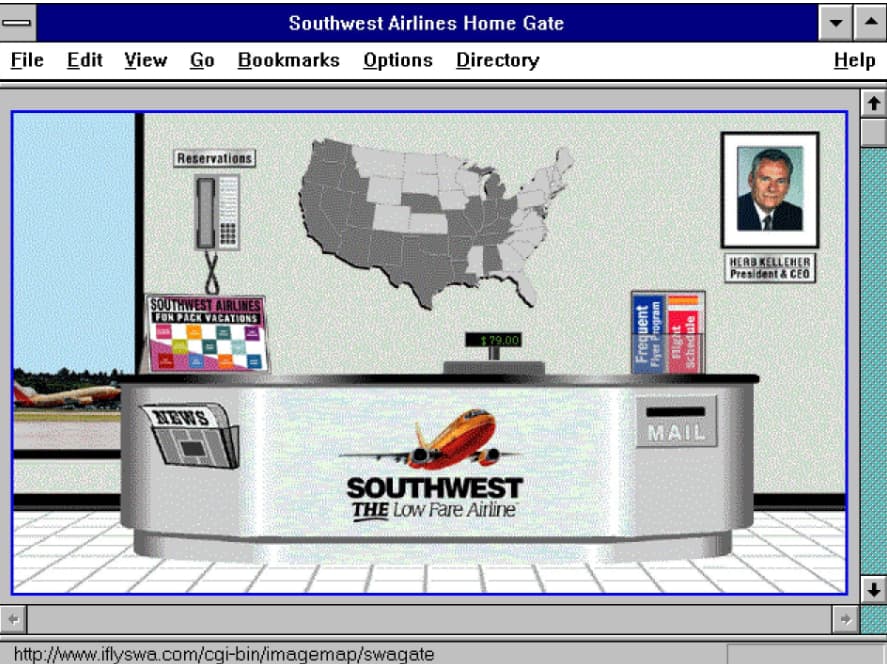
Then, the bubble burst
Companies that had spent millions on domains and internet hype, without a solid business model, collapsed. The market crashed, and dot-com stocks tanked. It was a dark time.
Fast-forward 30 years, and here we are.
Every business needs an online presence and a clear domain name. Does that mean domains are still a good investment? We looked at recent sales data and market trends to answer that.
Are domains still a good investment?
The short answer? Yes, but it’s not the Wild West anymore.
The domain market has matured significantly since the dot-com boom, and while the days of snagging a one-word .com for $10 and flipping it for millions are mostly gone, there’s still value to be found if you’re strategic.
Domains remain a distinct asset class, often treated as digital real estate for businesses that operate online. Beyond potential resale value, a memorable domain serves as the online identity of a company or personal brand.
Like a storefront sign, a clear domain signals credibility and makes your business easy to find, which is why companies still pay six or seven figures for an exact-match name.
Premium domains (short, memorable, keyword-rich .coms) continue to appreciate. One of the biggest sales in recent months was chat.com to OpenAI for $15.5 million. While it’ll be hard to get that kind of return, with the right timing and patience, it is possible.
One-word .coms (like gold.com, which sold for over $8 million) could still see 5x–10x growth in value over the next decade as internet usage surges worldwide. Growing online businesses compete for short, memorable names, while supply is fixed.
Every four-letter .com was claimed by 2013, leaving slim pickings. Finding a gem now means scouring auctions or waiting for someone to blink on a renewal.
Newer extensions
New top-level domains (TLDs) like .co, .io, and .ai have gained traction, particularly in tech and AI. These TLDs offer fresh inventory, though their resale value is less predictable than .coms.
Meanwhile, Web3 domains (such as .eth on the Ethereum Name Service) remain speculative. Interest peaked after the 2021 airdrop, and resale liquidity is thin compared to traditional DNS domains.
Domains can still be a solid investment when backed by research, timing, and demand trends such as .ai registration growth.
Is there still money to be made selling domains?
Domain flipping can still turn a profit for those who approach it strategically, but it’s far from a guaranteed jackpot.
Marketplaces like GoDaddy Auctions and Sedo facilitate thousands of domain transactions each month.
For example, Sedo alone lists over 18 million domains and reports consistent sales activity. Notably, median .com sales have ranged from $1,500 to $3,000 in recent years, with 2024 averages aligning closer to $2,500.
Profit potential spans a wide range. Beginners might net anywhere from $100 to $10,000 per flip by targeting low-cost auctions or hand-registered names. In one DomainSherpa case study, a $27 expired domain flipped for $10,000.
Seasoned flippers, however, chase bigger wins by snapping up expired domains with traffic or strong backlink profiles, assets that boost resale value. For instance, pro flipper Ali Zandi turned eight such domains into $58,000 in profit in just 60 days through outbound sales.
Winning strategies in 2025
- Expired domains: Look at auction sites to get forgotten domains at auction, some with SEO perks like backlinks or past traffic. These can be undervalued goldmines.
- Niche focus: Domains tied to booming sectors (think of examples like solarsolutions.com for green tech or machinelearning.com): probably bad examples, but we hope you get the gist of it.
- Outbound sales: Proactively pitching to businesses boosts sell-through. Maybe there is a business that has been waiting for a good domain to pop up.
Just remember, timelines are unpredictable: some domains sell in days, while others can linger for years. Renewal fees and market saturation mean you must balance quantity with quality.
And if you’re ready to start your hunt, check out our premium domain search to compare aftermarket listings across marketplaces and spot undervalued gems from day one.
Risks to be aware of when investing in domains
Domain flipping might sound like a dream gig (low entry, big payouts), but it’s not all smooth sailing. There are pitfalls that can sink your investment if you’re not careful, and knowing them upfront is half the battle.
First up: overestimating value. That catchy name you snagged for $10 might feel like a million-dollar ticket, but the market doesn’t always agree.
Buyers, whether flippers or businesses, want domains with clear demand, like short .coms or niche winners. If you’re sitting on quantumwidgetshop.com with no takers, it’s just a renewal fee drain: $10–$15 a year adds up fast with a bloated portfolio.
Some flippers hold hundreds of domains, and only a tiny fraction sell, leaving cash tied up in digital limbo.
Then there’s the legal minefield. Snag a name too close to a trademark, like nikerunz.com, and you could face a cease-and-desist or worse, a costly handover demand. This isn’t the ’90s anymore (unfortunately), so cybersquatting’s a no-go. Big brands don’t mess around, and legal fees can dwarf your profits. Don’t end up thinking you can beat the man so to speak.
Market saturation makes sourcing harder too. With every four-letter .com claimed since 2013 and experienced investors bidding on drops, standout names are scarce.
Those unpredictable sales timelines mean you might wait years for a payout, or never get one. High returns are possible when you buy disciplined inventory, and easy to miss if you skip the research.
Getting started with finding domains
When you’re ready to buy a domain, check Instant Domain Search to see availability instantly, compare listing prices, and run a free domain appraisal.
Before you register a name that sounds like a brand, run it through our free trademark search to see live and pending US marks.
You can also view the price history, to ensure that you’re not overpaying for a piece of that digital real estate that you might be interested in.
Don’t want to invest in a premium domain?
Well, you can compare different TLDs, like .io, .co, .ai, and more, to help you get the best possible domain that aligns with your needs.
If you have a name or idea already, you can look at different domain extensions and find ones that best align with your idea.
Don’t have a name yet?
Well, Instant Domain Search offers a domain name generator that can help you come up with domains for your new venture.