loom.com traffic, backlinks, authority, and more
Loom.com is a software-as-a-service company in the video communication and screen-recording industry that provides quick screen and camera recording, editing, and sharing tools used primarily by remote teams, product and engineering teams, customer support, educators, and creators to communicate asynchronously. The site is well-known among knowledge workers and product teams for speeding up workplace communication and has broad recognition in tech and education communities, with estimated daily visits in the thousands.
Score assigned based on the strength of the domain online
Estimated monthly organic traffic from search engines
Total number of links from other websites pointing to this domain
Traffic Analysis
The site's traffic has declined by 0% year-over-year with over 284,006 monthly visits driven primarily by demand for quick browser-based and desktop video capture, mic/camera testing and lightweight recording/download tools that support screen and webcam workflows. North America leads with ~46.9% of traffic (strong US dominance), Asia‑Pacific follows at ~27.7% (notably India and Southeast Asian uptake), and Europe accounts for ~16.0%, a spread that underscores Loom’s core market fit in enterprise and education workflows in North America while signaling growth opportunities in APAC and continued product relevance across European collaboration markets.
Domain Preview & WHOIS Information
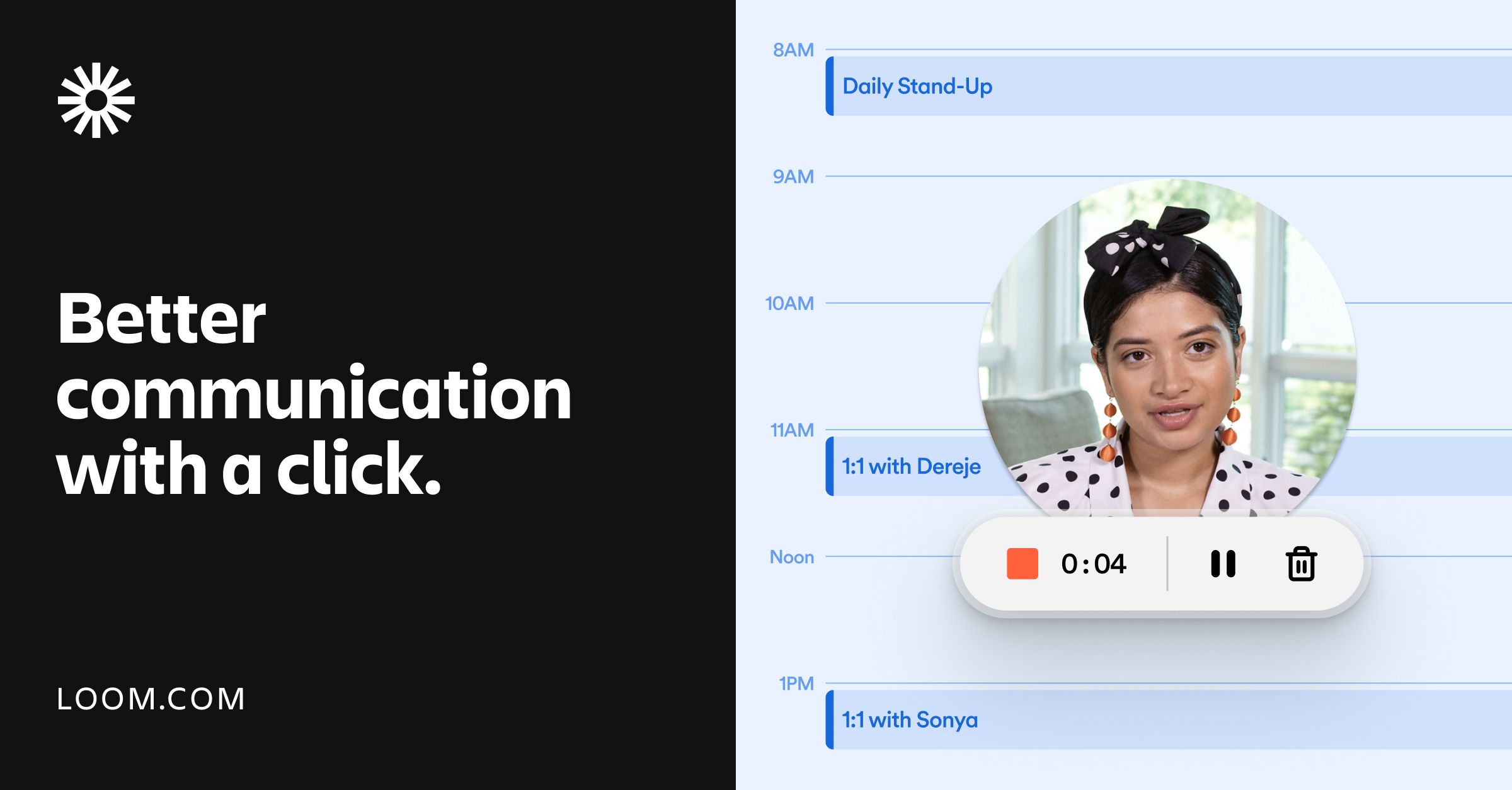
Free screen recorder for Mac and PC | Loom
Best free online screen recording tool with advanced video editing and video storage trusted by over 22 million people and easy sharing from Loom.com.
The domain loom.com was registered on December 4, 1997, through markmonitor, inc. and uses AWS for DNS and security. At 28 years old, this long-standing registration signals established credibility, a mature online presence, a proven track record, and accumulated authority that contribute to strong domain trust signals, sustained SEO benefits, and greater visibility in search results.
Backlink Profile and Referring Domains
Referring Domains
The backlink profile for Loom shows a predominance of medium-authority (DA 40-69) referring domains with the domain-level metrics indicating strong overall authority (one reported Domain Authority 73 alongside a general DA 64), and notable links coming from technology publications, developer resources (e.g., GitHub), and other industry leaders — a mix that suggests quality topical relevance and credibility. This distribution of mainly medium-to-high authority links, backed by a large volume of referring domains and a solid trust score, meaningfully contributes to Loom’s organic search performance by signaling relevance and authority to search engines and bolstering overall SEO strength.
From the sample top links there are 8 dofollow and 2 nofollow links, an approximate 80:20 dofollow:nofollow ratio which indicates a healthy skew toward links that pass equity, and dofollow links from higher-authority sources will disproportionately transfer link value to Loom. Anchor text distribution in the sample is mixed — approximately 40% branded (Loom), 20% naked URLs (loom.com), 30% keyword-rich (e.g., “asynchronous video SaaS”, “record a quick video”), and 10% other/generic — a natural, varied profile that reduces over-optimization risk while still supporting target keywords.
Keyword Rankings
Top Ranking Keywords
The domain loom.com demonstrates a tightly focused keyword portfolio centered on product utility and brand queries, with high-ranking terms across discovery, onboarding, and commercial intent that show strong topical relevance to video messaging and screen recording tools. The top keyword 'loom video' attracts daily searches in the hundreds with a $1.74 CPC, indicating solid brand recognition. The other keywords — loom screen recorder (low competition 7%, high intent), loom login (low competition 0%, transactional/support intent), loom pricing (moderate competition 35%, commercial intent with a $3.36 CPC) and loom.com (low competition 14%, direct brand navigation) — reflect a low-to-moderate competitive landscape that favors owned-channel dominance and monetization around pricing and product features. Overall the domain's SEO profile shows healthy keyword portfolio and strong organic visibility driven by focused intent coverage and top SERP placements.
Technology Stack
 AmazonAmazon CloudFront
Loom.com is built on a modern frontend stack leveraging React, legacy jQuery, Next.js, and utility libraries like lodash, which combine to deliver component-driven interfaces, improved developer experience, and benefits such as server-side rendering and optimal SEO where Next.js can be applied for faster initial loads and hydration. On the backend the site runs on Amazon EC2 infrastructure with edge and caching via Amazon CloudFront, delivery optimization through Cloudflare, and request handling by nginx, a combination that provides strong global distribution, reliability, and scalability for static and dynamic content.
The security and DNS layer is anchored by certificates and transport protections like LetsEncrypt, Comodo SSL, and HSTS, with identity and access controls via Okta, together offering secure HTTPS, DDoS-resistant delivery, and trusted identity management to help ensure fast, secure connections across regions. Analytics and observability are handled with tools like Google Analytics, Google Tag Manager, Segment, and Datadog RUM, which improve monitoring, experimentation, and the developer workflow by surfacing user behavior and performance metrics for iterative UX and performance optimization.
Competitive Landscape
loom.com competes in the video messaging and screen recording space against established players like Screencastify and ScreenPal, and newer alternatives such as ScreenRec, Screen-Recorder.com, and ScreenPal. Compared to these rivals, loom.com shows strong mid-to-high traffic (284,006) and parity in backlink footprint, allowing it to carve out a position focused on simple, quick video sharing rather than broad feature parity with legacy tools, which explains its steady organic reach despite some competitors (e.g., ScreenRec at 339,769) having higher raw visits.
With a Domain Authority score of 64, loom.com sits on equal footing with its direct competitors within the video messaging and screen recording industry, indicating competitive SEO credibility but leaving differentiation to product and marketing. By targeting knowledge workers and teams with asynchronous video messaging, one-click recording and sharing, and lightweight editing, loom.com has driven strong word-of-mouth growth and improved organic visibility, supporting continued market penetration even where DA and backlink counts are similar.
FAQ on loom.com
Everything you need to know about loom.com.
What is loom.com's primary business model?
Loom operates a freemium SaaS business model where basic screen and video recording features are available for free and additional functionality — such as longer recordings, advanced editing, team collaboration, analytics, and administrative controls — is provided through paid subscription tiers (Pro, Business, and Enterprise). Revenue is largely driven by recurring subscription fees from individual professionals, teams, and larger organizations, supplemented by enterprise contracts and integrations with third‑party platforms.
Is loom.com considered a market leader, a challenger, or a niche player?
Market leader. Loom is widely recognized as a leader in the asynchronous video messaging and lightweight screen-recording market, with strong brand awareness, broad adoption among individuals and organizations, and a mature set of collaboration and enterprise features that place it ahead of many smaller competitors.
What makes loom.com unique compared to its competitors?
Loom emphasizes fast, lightweight asynchronous video communication with an easy-to-use recorder, instantaneous sharing via links, and viewer engagement features such as reactions and viewer analytics. It combines simple editing, team workspaces, and integrations with collaboration tools to position itself as a communication-first platform rather than a purely technical screen-recorder, which differentiates it from more narrowly focused competitors.
What are the most recent major updates or strategic shifts seen on loom.com?
In recent periods Loom has leaned into expanding enterprise capabilities, improving security and administrative controls, and enhancing collaboration and analytics to better serve teams and larger organizations. The company has also prioritized product refinements — such as improved editing, desktop and mobile experiences, and deeper integrations with workflow tools — and signaled movement toward incorporating automation and AI-driven features to speed content creation and summarization.